Storm-Proofing Your Trees: Essential Tips and Techniques May 06, 2026
The first step in storm-proofing your trees is to conduct a thorough assessment of your landscape. A professional tree inspection can identify potential hazards and weaknesses in your trees. Look for signs of decay, such as fungi growing at the base, cracks in the trunk, or dead branches. Trees with structural issues are more likely to fail during storms, making it critical to address these problems promptly.
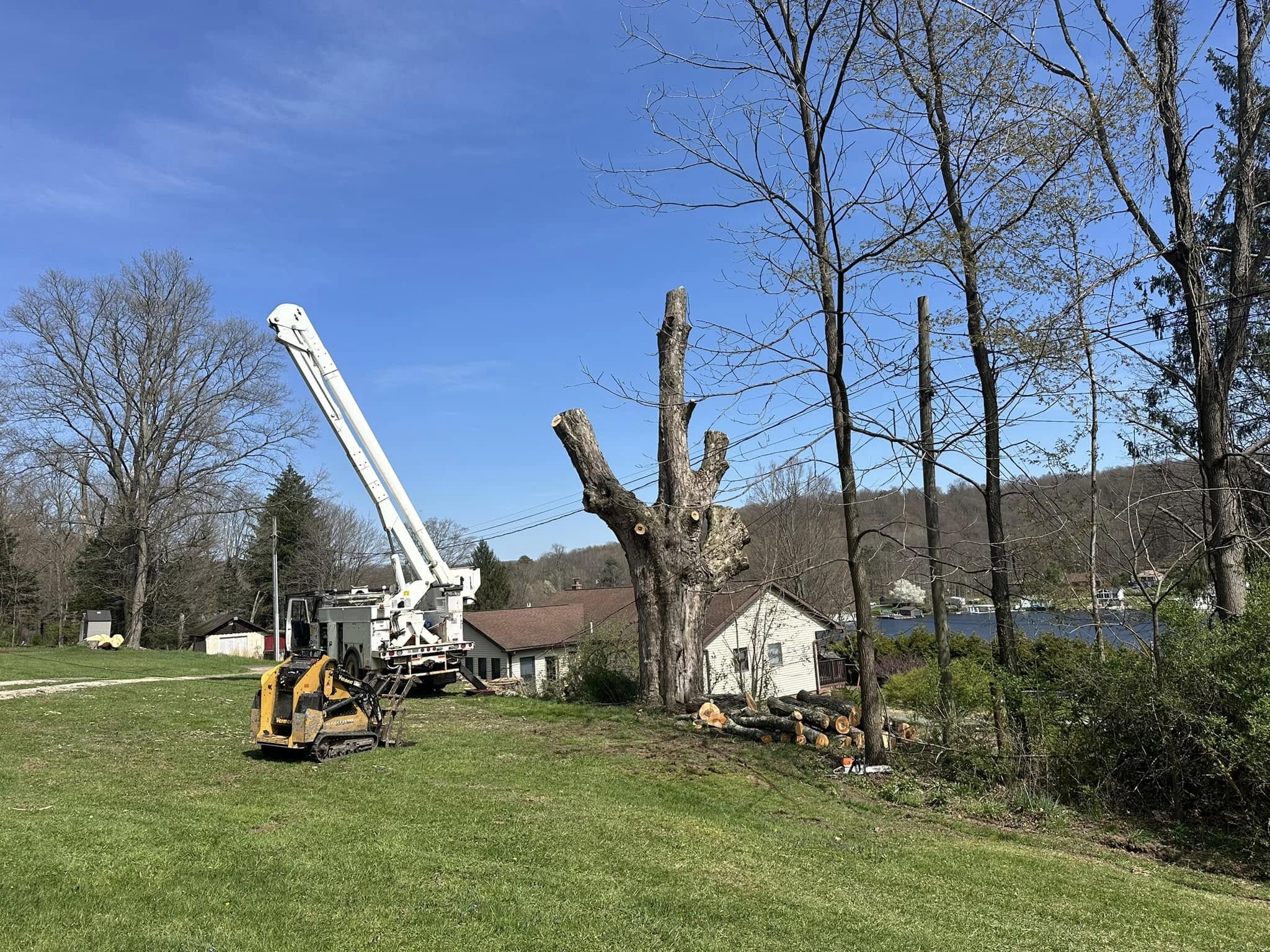
Pruning is another essential technique in storm preparation. Properly pruned trees are less likely to break during high winds or heavy ice and snow. By removing weak, dead, or diseased branches, you allow wind to pass more freely through the tree's canopy, reducing the risk of damage. When done correctly, pruning can also enhance a tree's overall structure and health. It’s always best to hire a certified arborist, like those at All American Tree Services LLC, to ensure pruning is done safely and effectively.
Furthermore, consider the strategic placement of cabling and bracing. These supportive techniques help stabilize branches that are structurally weak or could fail during a storm. Cables are typically installed high in the tree to help redistribute weight and reduce swaying. Meanwhile, braces can provide additional support to the tree’s structure. While these methods do not guarantee protection, they significantly enhance a tree's resilience against strong winds.
Another critical factor in storm-proofing is the health of the tree's roots. Healthy roots anchor trees and provide the nutrients they need, keeping them strong and stable. Compacted soil can suffocate roots, leading to poor growth and increased vulnerability in storms. Aerating the soil around trees helps alleviate compaction, allowing air and water to reach the roots effectively.
Addressing drainage issues in your yard is also wise. Excess water can weaken root systems, increasing the chances of a tree toppling over in strong winds. Installing proper drainage can prevent waterlogging and keep your trees on solid footing.
Lastly, plant tree species that are naturally resistant to storm damage if you are considering new additions to your landscape. Native trees tend to be more adapted to local climate conditions and may withstand regional weather challenges better than non-native species. Investigate which trees are most suitable for your area and consult a tree care professional to ensure your selections will thrive.
In conclusion, storm-proofing your trees is a proactive measure to protect both your landscape and property. From regular inspections and pruning to advanced techniques like cabling and improved drainage, there are numerous ways to enhance your trees' resilience. At the heart of storm resilience is proactive maintenance and professional care. As experts in the field, All American Tree Services LLC is committed to providing the guidance and services necessary to keep your trees healthy and robust against any storm. Implementing these tips will not only safeguard your greenery but also contribute to the safety and aesthetic appeal of your outdoor spaces.
/filters:no_upscale()/filters:format(webp)/media/f56d6cb4-b765-4eef-a5d3-b1b9943a9a40.jpg)