Understanding Tree Growth Patterns: A Guide to Optimal Pruning Techniques Jul 26, 2026
Understanding the natural growth habits of trees is the cornerstone of proper pruning. Each tree species has unique growth characteristics, influenced by factors like climate, soil type, and available sunlight. Most trees have a predictable growth pattern which includes an upward expansion to reach for sunlight, lateral growth to maximize leaf exposure, and root development to stabilize the tree and absorb nutrients. Recognizing these patterns is crucial to deciding when and how much to prune.
Pruning is more than just chopping off branches; it is a strategic process that requires knowledge and precision. Proper pruning not only enhances a tree’s appearance but also encourages healthier growth and mitigates potential hazards, such as falling branches. Timing plays a crucial role; most trees benefit from pruning during their dormant phase, typically late winter or early spring. This timing helps in minimizing stress on the tree and reducing the risk of pest infestation or disease.
One fundamental technique in tree pruning is the removal of dead, diseased, or broken branches. These branches not only mar the tree's structure but can also invite pests and diseases, ultimately compromising the tree's health. By eliminating these problematic branches, you allow the tree to redirect its energy towards healthy growth. Additionally, thinning the canopy boosts air circulation and light penetration, further promoting robust growth.
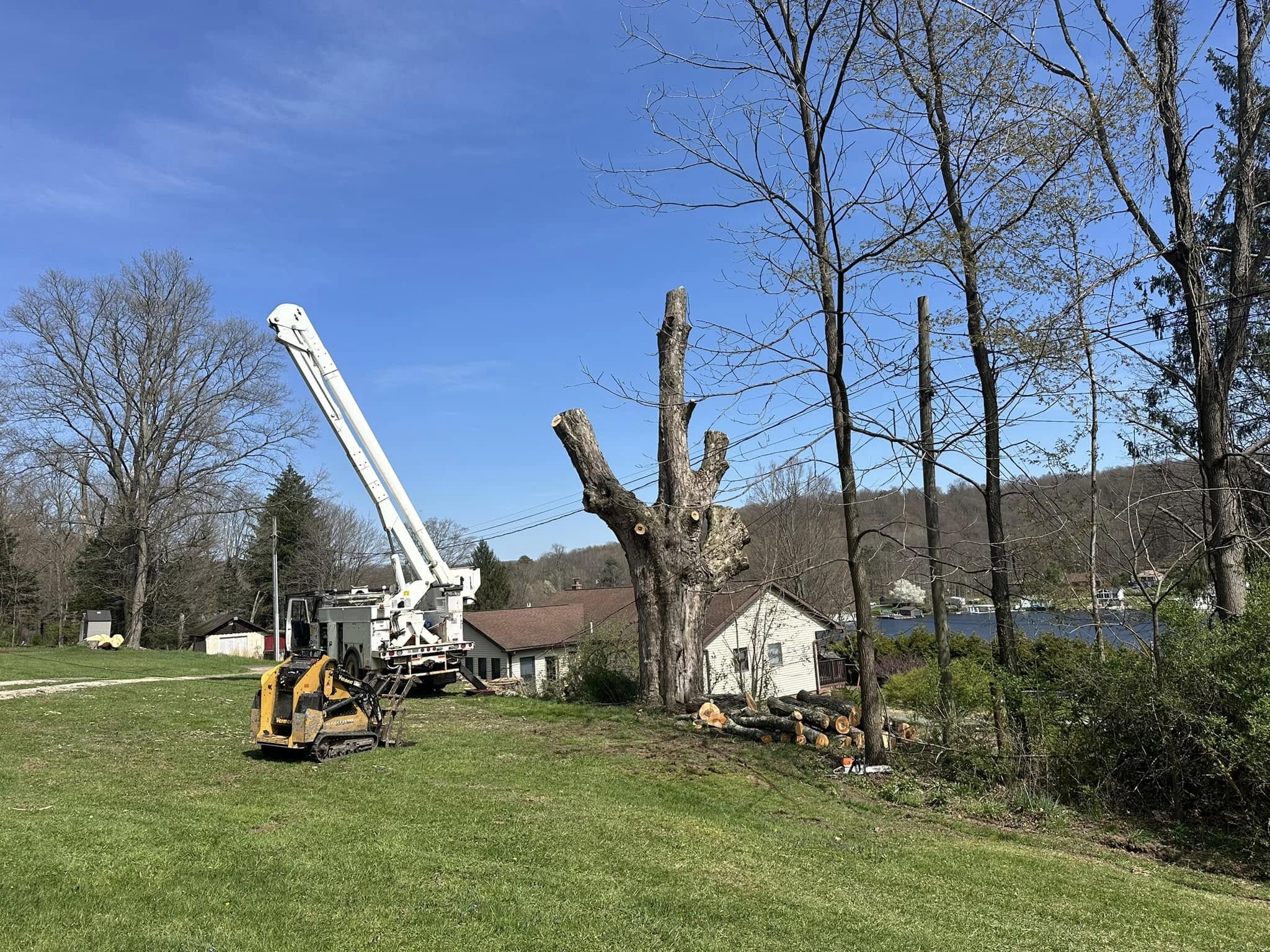
Crown reduction is another vital technique, particularly for large trees near buildings or power lines. This method involves selectively cutting back branches, reducing the height or spread of the tree while maintaining its natural shape. Conversely, crown raising involves removing lower branches to provide clearance, which can enhance the aesthetic appeal of the tree while ensuring safety around structures and pathways.
Don't forget about the importance of clean cuts during pruning. Using the right tools, such as sharp pruning shears or saws, ensures clean cuts that heal quickly, reducing the likelihood of infection or decay. Avoid leaving stubs or cutting too close to the main trunk, as both can damage the tree and affect its growth.
While DIY pruning is possible, the expertise of professional arborists from All American Tree Services LLC can be invaluable. Our trained professionals understand the intricacies of tree growth and possess the experience to execute precise pruning techniques that align with the specific needs of your trees.
In conclusion, understanding and respecting tree growth patterns is essential for effective pruning, which leads to healthy, aesthetically pleasing trees that stand the test of time. With the right approach and assistance from experts, you can optimize your tree's growth and maintain a beautiful landscape. So, when it comes to tree care, trust All American Tree Services LLC to provide the guidance and services necessary to keep your trees thriving.
/filters:no_upscale()/filters:format(webp)/media/f56d6cb4-b765-4eef-a5d3-b1b9943a9a40.jpg)